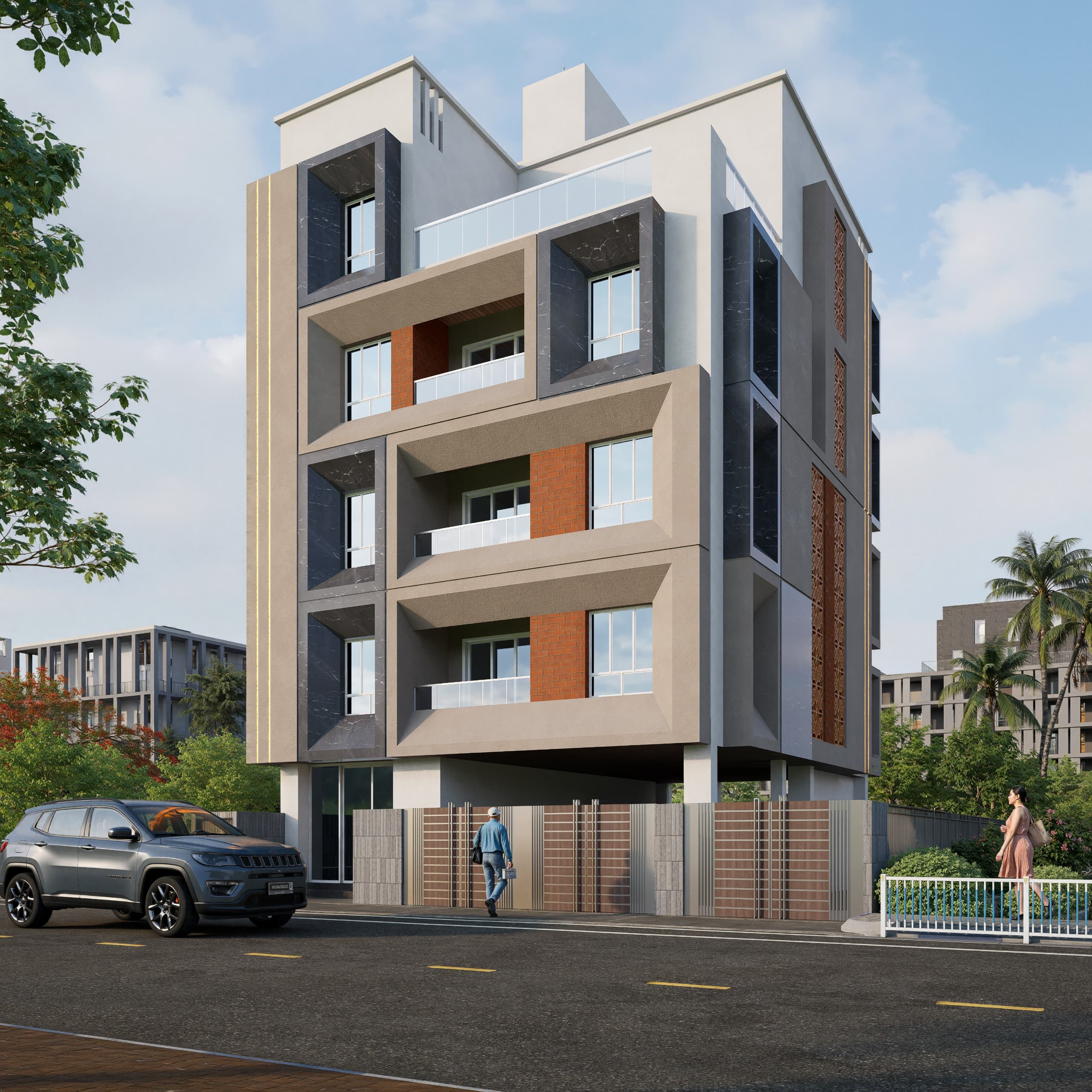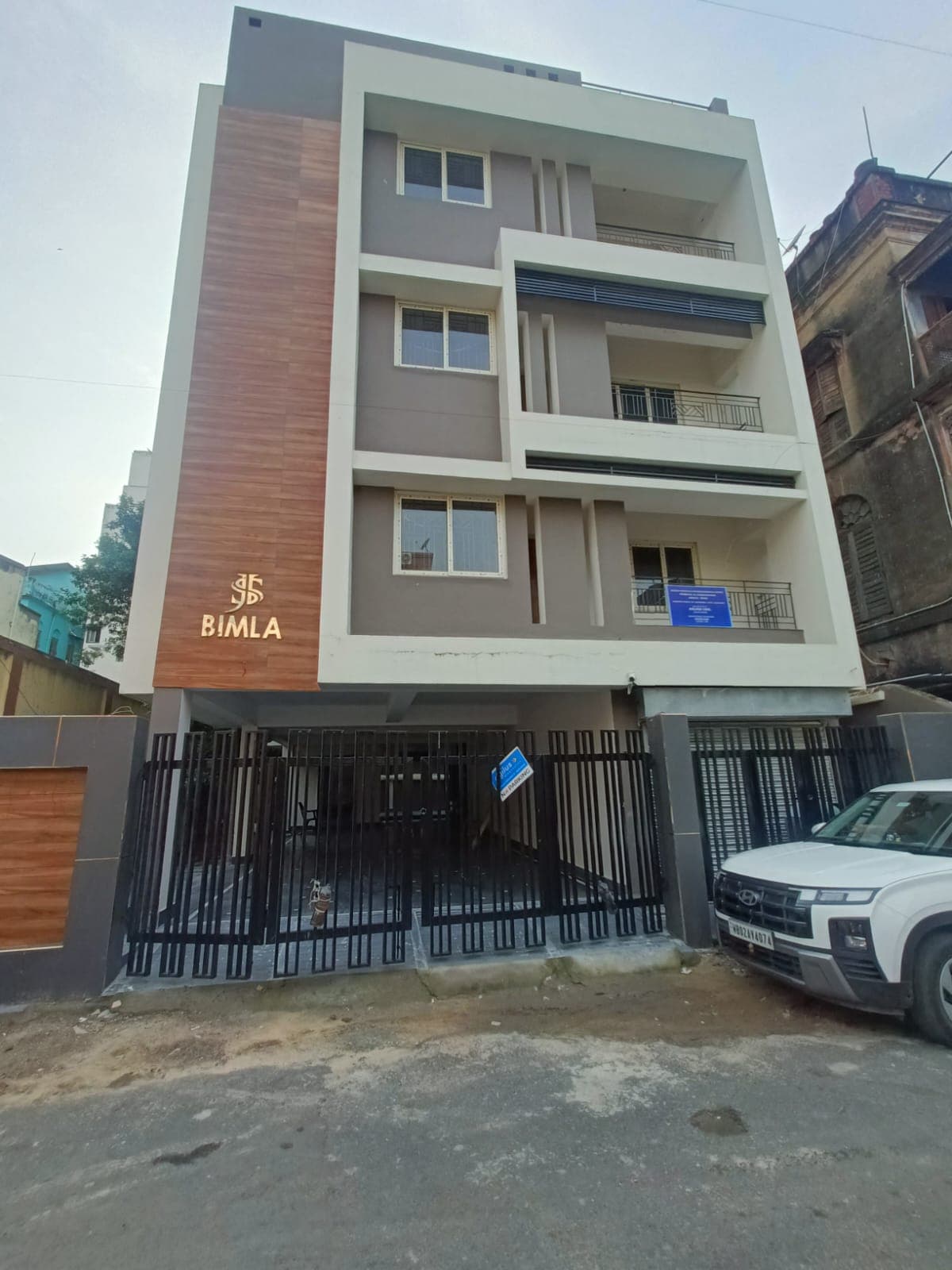
SJ Group
Preparing your experience
SJ Group
Preparing your experience
Land owner guide
If you own land in Kolkata, a joint venture can turn an underused plot into a premium residence without giving up the project to confusion or delay.
A land joint venture is a development partnership. The land owner contributes the site, while the developer handles design, approvals, construction, coordination, and eventual sales or distribution.
The best JV structures are simple to explain and hard to misunderstand. Each side should know what they are bringing, what they are receiving, and what happens if timelines shift.
The real work starts before the agreement. Verify title, approvals, local feasibility, construction capability, and how the project will be marketed once it is ready to sell.
Good landowners ask for simple answers. Who owns the approvals work? What is the expected timing? How will the project be branded? What happens if costs rise?
A good partner does not just promise returns. They explain the operating model, show you the neighbourhood logic, and keep the project understandable from start to finish.
SJ Group positions itself around that kind of clarity: premium residential work, direct communication, and a single accountable team across the full build cycle.
If the deal cannot be explained in plain language, the risk is usually hiding in the fine print.
A clear guide for land owners considering a joint development model in Kolkata, from structure and approvals to the questions that matter.
SJ Group editorial team
It depends on the landowner’s goals. A JV can preserve upside and control, while an outright sale is simpler and removes execution risk.
Rushing into a structure without checking approvals, execution capacity, and how the project will actually be delivered and sold.
If the article is close to your question, the contact page is the fastest way to get a practical next step.