SJ Group
Preparing your experience
SJ Group
Preparing your experience
Buyer guide
A good gallery should help you understand the building before you stand in front of it.
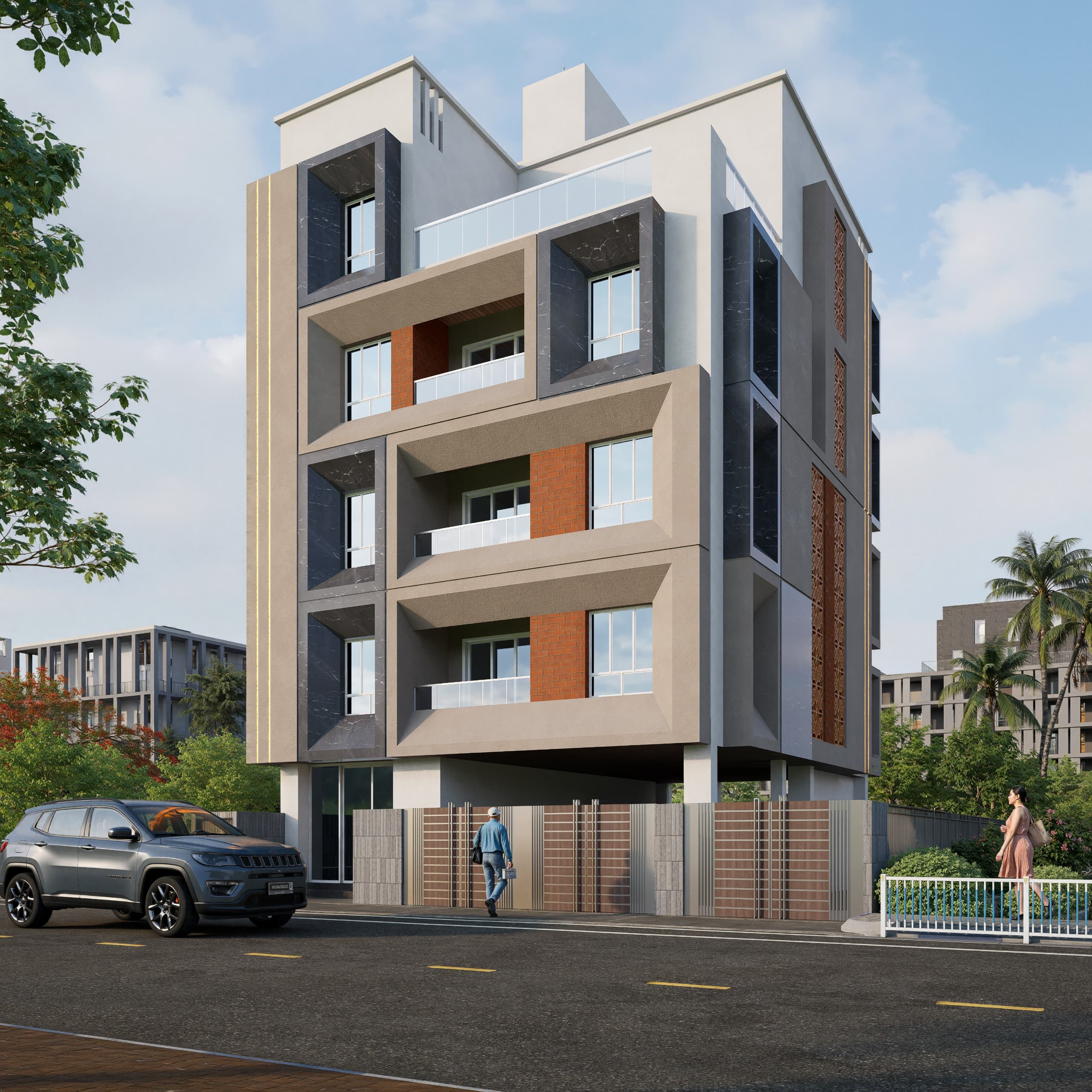
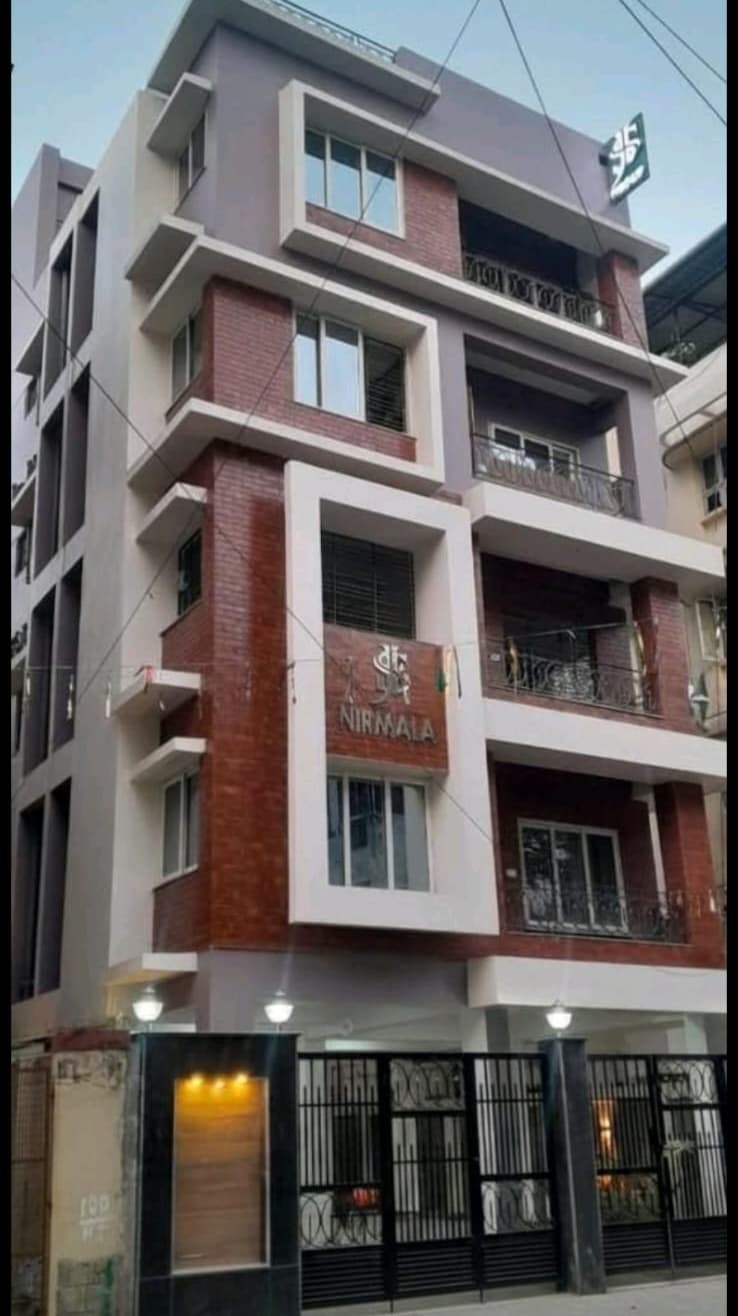
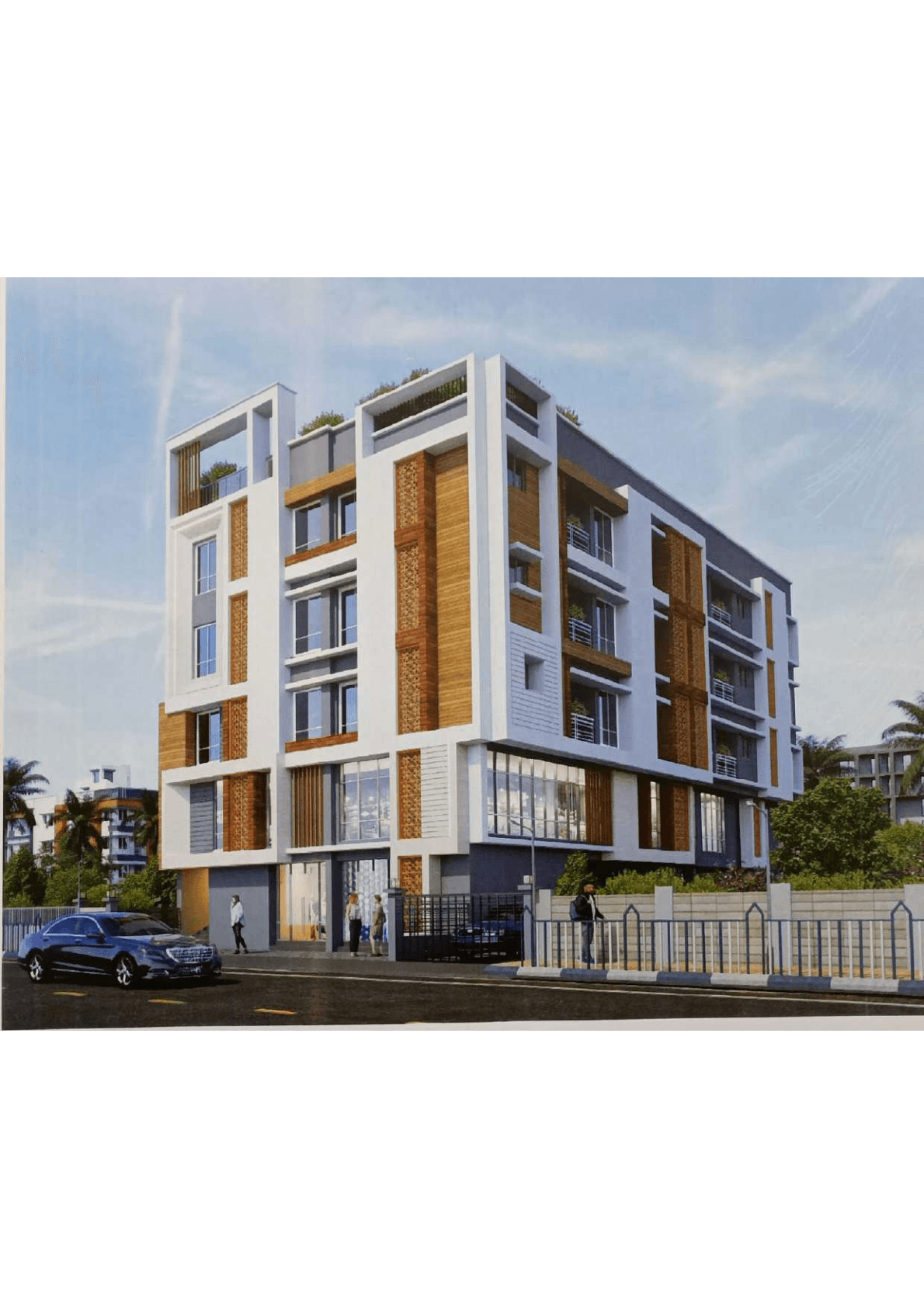
A useful gallery should reveal the building, not just decorate it. Pay attention to facade rhythm, the entry sequence, and how the project sits in its street context before you focus on finish-level detail.
If every image is tightly cropped, ask for wider context. Good photography gives you a sense of proportion as well as polish.
Gallery images become more useful when you compare them against the floor plan or the project specs. That is how you test whether the visual story matches the actual layout and circulation.
Look for visible cues that align with the plan: parking logic, terrace access, window placement, and how private and shared spaces are separated.
The best use of a gallery is pre-qualification. It should help you decide whether a site visit is worth your time and what questions to ask when you get there.
If the gallery feels vague, insist on better angles, more context, or a plan view before you move forward.
A strong gallery answers practical questions first and leaves the stylistic details to second glance.
A buyer guide to using gallery images to judge scale, frontage, material feel, and whether a building makes sense before a visit.
SJ Group editorial team
Use both, but treat the site visit and the floor plan as the final checks. Renders explain intent, while photography shows how the project currently reads.
Usually the missing context is the building edge, the entry sequence, and enough room to judge the scale of the project honestly.
If the article is close to your question, the contact page is the fastest way to get a practical next step.